Restore Program
Restoring Mind and Body Together for Stronger Recovery at work and beyond
Restore Program: Integrated Rehabilitation
About the Restore Program
The Restore Program is At Work OH&S’ dedicated integrated, evidence-based rehabilitation program supporting emotional wellbeing, physical capability, and long-term return to meaningful activity.
Designed using a biopsychosocial model, Restore helps individuals break cycles of inactivity, improve mood and sleep, rebuild confidence, and return to meaningful daily activities and work. The program aligns therapeutic and physical goals, offering a structured and sustainable pathway to long-term wellbeing.
At Work OH&S is a SIRA and Comcare accredited workplace rehabilitation provider, providing psychological, exercise physiology and return to work rehabilitation services. We have been helping employers and workers with their return-to-work process for over 20 years. Our integrated services are tailored to each unique situation to assist injured workers return to safe and sustainable employment as soon as possible.
Recovery is strongest when mind and body heal together.

The Mind and Body Connection
The Restore Difference: Integrated Care With Shared Purpose
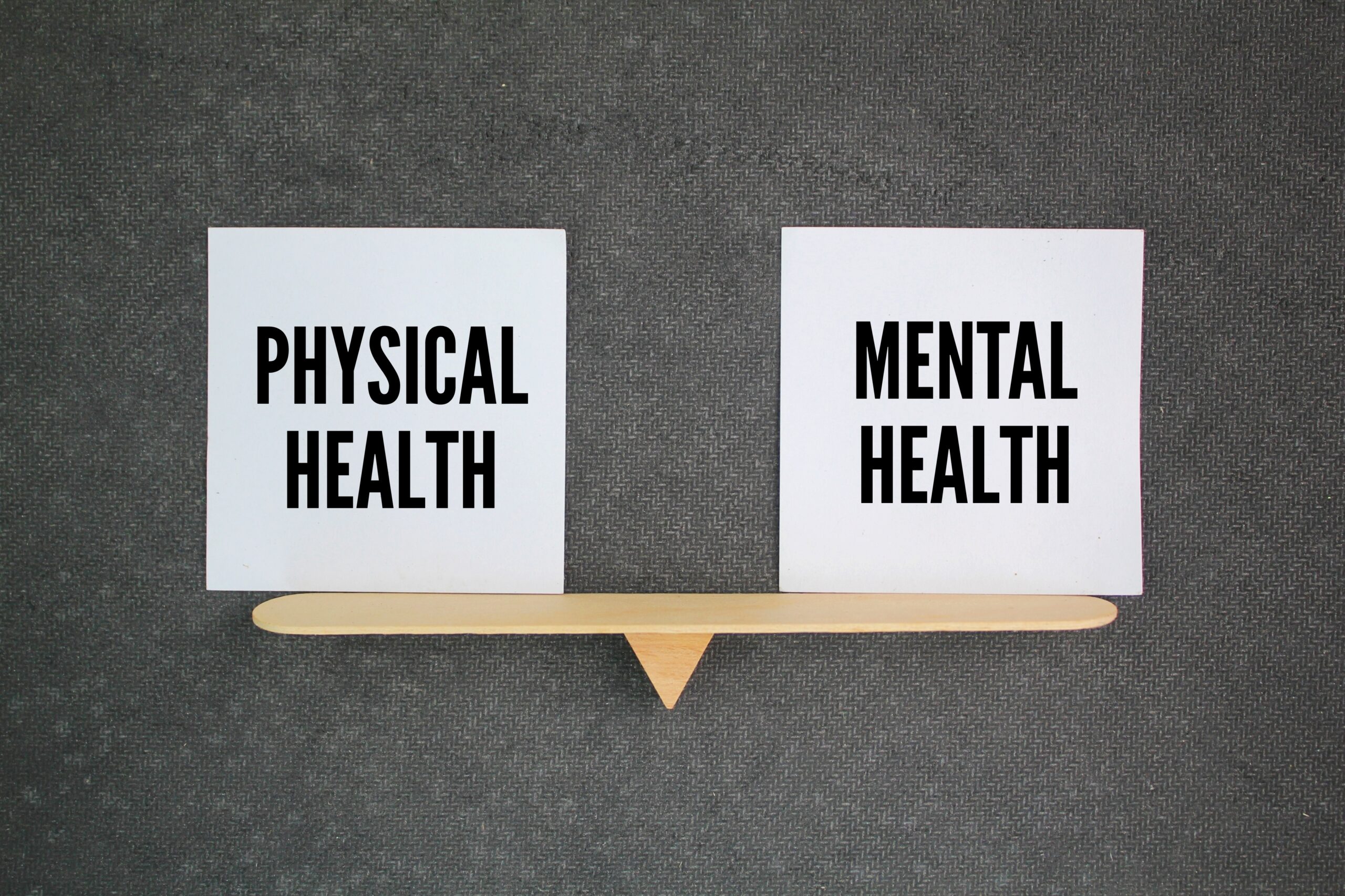
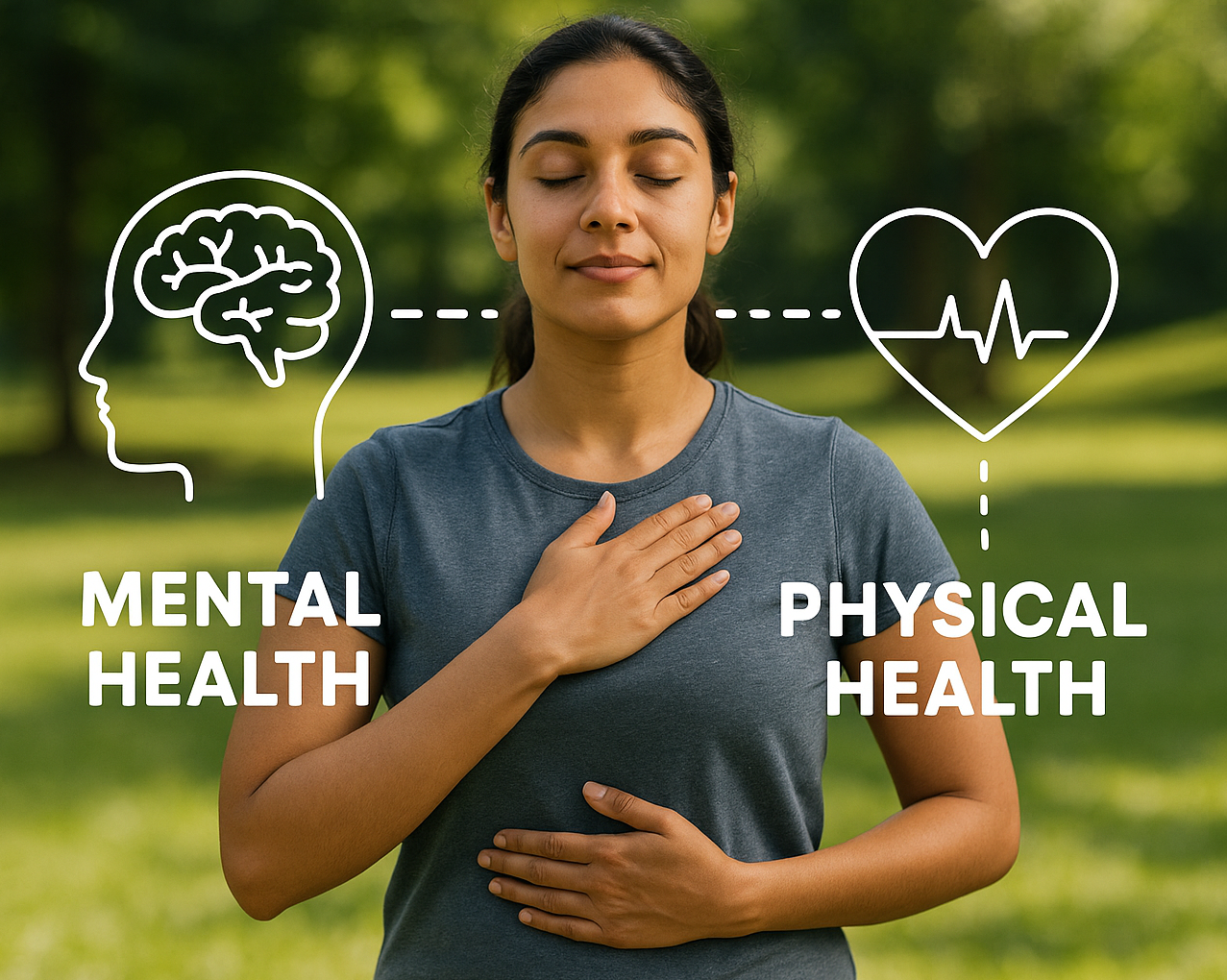
Mind and body rehabilitation are deeply interconnected. Emotional readiness influences engagement with physical activity, while physical progress improves mood, sleep, motivation, and self-esteem. Restore brings these two disciplines together in a coordinated, structured model.
Psychologists and Exercise Physiologists communicate regularly, align treatment goals, and refine strategies based on the client’s progress. Psychological principles such as behavioural activation, pacing, motivation enhancement, and graded exposure are reinforced through movement-based rehabilitation. Likewise, physical improvements create momentum for emotional and behavioural change.
This integration reduces treatment fragmentation, improves transparency for stakeholders, and supports more meaningful and sustained outcomes.
How the Restore Program Works
Not all people are the same, and nor are all programs the same. The first step towards recovery is to make sure you are comfortable with the process and you engage allied health providers that support your journey.
The Restore Program follows a structured framework designed to ensure safety, accountability, and consistent clinical oversight:
Triage
The Restore Program begins with an intake process that considers the whole person. Clients participate in psychological and physical assessments to understand emotional wellbeing, functional capacity, injury history, lifestyle factors, and current barriers. These assessments help establish an integrated baseline and determine the appropriate treatment pathway.
Evidence-based Measures
Evidence-based tools — including standardised questionnaires and functional assessments — are used throughout the program to measure progress and guide clinical decision-making. These measures help track improvements in mood, mobility, sleep, daily functioning, and readiness for work or activity, providing transparent and consistent reporting for clients and stakeholders.
Goal Alignment
Treatment focuses on restoring function and wellbeing through targeted psychological and physical strategies. Goal alignment focuses:
- Improved mood
- Reduced negative behaviour
- Socilisation
- Improved sleep
- Accountability and motiviation
- Improved self-esteem
- Healthy benefits of work
Streamlined Collaboration
The team conducts regular file reviews and treatment refinement. Combined reporting supports clarity for medical providers, employers, and insurers, ensuring everyone involved in the client’s care is informed and aligned.
Additional Support
Clients receive regular support in between sessions including, goal-application strategies, exercise programs and strategy toolkits. At the completion of the program clients receive clear strategies to support sustainable recovery.
Benefits of the Restore Program
Whole-Person Results That Last
The Restore Program offers a coordinated approach that strengthens both emotional and physical foundations of recovery. Clients often experience improvements in sleep, mood, motivation, confidence, movement capacity, pain levels, and daily functioning. Our approach reduces confusion, increases consistency, and ensures treatment remains purposeful and responsive. Healing becomes sustainable when support is aligned.
Clarity Through Communication
One of the program’s major strengths is the seamless collaboration between Psychology and Exercise Physiology. Combined reporting, regular file reviews, and shared treatment planning ensure continuity and clarity for all stakeholders. EPs also work with exposure to psychological principles, allowing care to remain aligned and person-centred. This coordination reduces duplication and creates a smoother rehabilitation experience.
Who is the Restore Program for?
The Restore Program is ideal for individuals experiencing a psychological injury related to an injury or illness, work-related stress, chronic pain, trauma or grief. It is particularly suited to those whose mental health symptoms are affecting their ability to engage in activity, or whose physical limitations are contributing to emotional distress, fatigue, loss of routine, or difficulty returning to work.
This program supports adults seeking an integrated, evidence-based approach that strengthens both mental resilience and physical functioning.
The Restore Program Pillars
Psychology: Supporting Emotional Wellbeing
Our psychological services focus on understanding the emotional, cognitive, and behavioural challenges that influence a person’s wellbeing and daily functioning.
Psychologists provide a safe, empathetic space where clients can explore the issues affecting their mental health — whether related to stress, anxiety, depression, trauma, or difficulties coping with life changes or injury. Through evidence-based therapeutic approaches, clients learn to develop healthier patterns of thinking, regulate emotions, build coping strategies, and work toward meaningful personal and functional goals.
Psychological support strengthens motivation, reduces distress, and helps clients regain confidence in navigating everyday challenges.
Exercise Physiology: Supportive Movement and Strength
Exercise Physiology supports the physical dimension of recovery, helping clients rebuild strength, mobility, endurance, and functional tolerance after injury, illness, or periods of reduced activity.
Our Exercise Physiologists understand how pain, deconditioning, fear of movement, and physical limitations can impact daily life, independence, and return-to-work readiness. Through personalised rehabilitation plans, clients learn how to move safely, restore function, increase activity levels, and overcome barriers such as fatigue, stiffness, low confidence, or chronic pain.
This physical progress plays a vital role in shaping overall wellbeing and quality of life.
Start your journey with us today
No matter what role you play in the rehabilitation process we are here to deliver exceptional solutions for you.
We accept self-referrals, as well as employers, medical providers and insurers.
To start your journey with us please complete the referral form below, or contact us on 02 4721 5098 to talk to us about your situation and needs.
